Good 1v1 defending in soccer comes down to three things: close the space quickly, slow down before you arrive, and stay on your feet until the attacker gives you a chance to win the ball. Most youth defenders lose duels by diving in, not by being too slow. This guide breaks the 1v1 into its phases, gives you five drills with exact setups, and lists what to correct so your players stop getting beaten by the first step-over.
Key Takeaways
- The aim of 1v1 defending is to delay, deny and dictate where the attacker goes, and winning the ball is the reward when they make a mistake.
- Sprint to close the gap, then take short steps in the last few yards so you arrive balanced.
- A side-on stance lets the defender turn and run with the attacker, while a square stance invites a nutmeg or a burst past.
- Tackle on the attacker's heavy touch, not on their first feint.
- Practice 1v1 defending with a goal to defend and a goal to attack, so both players have a real reason to compete.
Why 1v1 Defending Matters for Youth Players
The FA's coaching site, The Boot Room, published an analysis of why 1v1 defending matters by FA youth coach developer Chris Sulley arguing that "defending has not been enough of a focus for our players throughout their development journey." One reason he gives: coaches often add an extra defender to cut risk, so players rarely face true 1v1 duels in training.
The same article makes the team-level case. Players who can win their duels let a team press higher, because the player pressing the ball does not need constant backup. That links directly to the work in our guide to counter-pressing for youth teams.
For the youngest age groups, 1v1 defending is part of normal play. Our U10 soccer drills guide includes a 1v1 reaction game, and this article goes further into the technique.
The Four Phases of a 1v1 Duel
Break every duel into the same four phases. It gives you and your players a shared language.
1. Approach
The defender closes the gap while the ball is traveling to the attacker. This is the sprint. The FA's "Recover and stop" session lists the objectives as approaching attackers to "delay, deny and dictate their direction of travel."
2. Slow down
In the last 3 to 5 yards, the defender switches to short, quick steps and lowers their center of gravity. Arriving at full speed means one feint takes the defender out of the play.
3. Hold the position
The defender settles about an arm's length away, side-on, knees bent, weight on the balls of the feet. The front foot points toward where the defender wants to stop the attacker going. From here the defender jockeys: shuffling backward and sideways to match the attacker without crossing their feet.
4. Win or stay
The defender only commits when the attacker takes a heavy touch, looks down at the ball, or turns their back. If none of that happens, staying between the attacker and the goal is a successful outcome. Delaying the attacker lets teammates recover.
Which Way Should the Defender Show?
Coaches teach two main options, and the choice depends on the situation, not on a single rule.
Show outside. Angle the body so the attacker is pushed toward the touchline and away from goal. This is the default for wide areas.
Show onto the weaker foot or into cover. If the attacker is clearly one-footed, angle your body to push them onto the weaker foot. If a teammate is covering on one side, the defender can guide the attacker into that teammate. England Football's "How to defend like England" guide to roles describes the covering player communicating with the presser about which way to force the opponent.
Both are coaching choices. Decide your team's default and teach it consistently so every defender reads the same cue.
Five 1v1 Defending Soccer Drills
Drill 1: Gate 1v1 (U9 and up)
Area: 15 yards long x 10 yards wide. Two small gates (2 yards wide) on the defender's end line.
Setup: Defender starts on the end line with the ball and passes to the attacker, who starts on the opposite line. The pass is the cue to approach.
Rules: Attacker scores by dribbling through either gate. Defender scores by winning the ball and stopping it on the attacker's line.
Coaching points: sprint while the ball travels, slow down early, arrive side-on.
Progression: narrow the area to 8 yards so the attacker has less room to go around.
Drill 2: Channel 1v1 to a small goal (U10 and up)
Area: 20 yards long x 8 yards wide, one small goal at the far end.
Setup: Defender starts beside the small goal and passes to the attacker at the far end. The attacker's first touch starts the 6 seconds.
Rules: Attacker has 6 seconds to score. Defender wins by stopping the ball or forcing it out of the channel.
Coaching points: use the touchline as a teammate. Show the attacker toward it.
Progression: widen to 12 yards so the defender must choose which side to show.
Drill 3: Recovery race (U11 and up)
Area: 25 x 20 yards with a goal and goalkeeper.
Setup: Attacker starts with the ball 5 yards ahead of the defender. On the whistle, both go toward goal.
Rules: Attacker scores in the goal. Defender scores by winning the ball and dribbling back over the start line.
Coaching points: recover on the goal side of the attacker, not straight at the ball. This is close to the angled-run stations in the FA's "Recover and stop" session.
Drill 4: 1v1 with a support player (U12 and up)
Area: 25 x 20 yards, two goals.
Setup: 1v1 in the middle. Each team has a support player on the end line who can receive and return a pass but cannot enter.
Coaching points: the defender must decide whether to press the support pass or hold position. Reading the cue (a bad pass, a turned back) is the skill.
Drill 5: 2v2 from a 1v1 (U12 and up)
Area: 30 x 20 yards, two goals.
Setup: Start 1v1. After 4 seconds, a second attacker and a second defender enter.
Coaching points: the first defender keeps delaying until cover arrives. The second defender gives cover at an angle behind, which is the bridge to group defending.
What to Correct (and How)
Diving in. The most common fault. Fix it with a rule: the defender may only tackle after the attacker's touch takes the ball more than one step away.
Square stance. A defender facing the attacker square-on cannot turn quickly. Ask them to point their lead foot toward the touchline.
Watching the feet. Feints work on defenders who watch the attacker's feet and shoulders. Coach the defender to watch the ball.
Giving up after being beaten. A beaten defender who recovers goal-side is still useful. Praise the recovery run, not only the tackle.
The FA's guide to mastering defensive techniques and roles recommends praising players who are brave, persistent and hard to beat, even when they face physical mismatches. That is good advice for smaller players who rarely win the ball outright but slow attackers down every time.
Two Example 1v1 Defending Soccer Sessions
U10 recreational team, 12 players, 20 minutes. Three gate 1v1 grids with four players each, rotating attacker and defender after every rep for 10 minutes. Then move to channel 1v1s for 10 minutes and keep score by pair.
U13 competitive team, 16 players, 30 minutes. Recovery race with two goalkeepers for 12 minutes, then 1v1 with a support player for 10 minutes, then 2v2 from a 1v1 for 8 minutes. Finish the session with a small-sided game where a goal scored after winning a 1v1 counts double.
Where Centro Helps
The gate and channel drills above work best with even numbers, because every rep is a pair, so plan an odd-player rotation (a waiting attacker who swaps in) before every session. Over a few weeks, the attendance report also shows which defenders missed the sessions with 1v1 work and need extra reps.
Need a full session to put these 1v1 blocks into? Our free plans by age group include a diagram for every drill. Get the free soccer practice plans by age group.
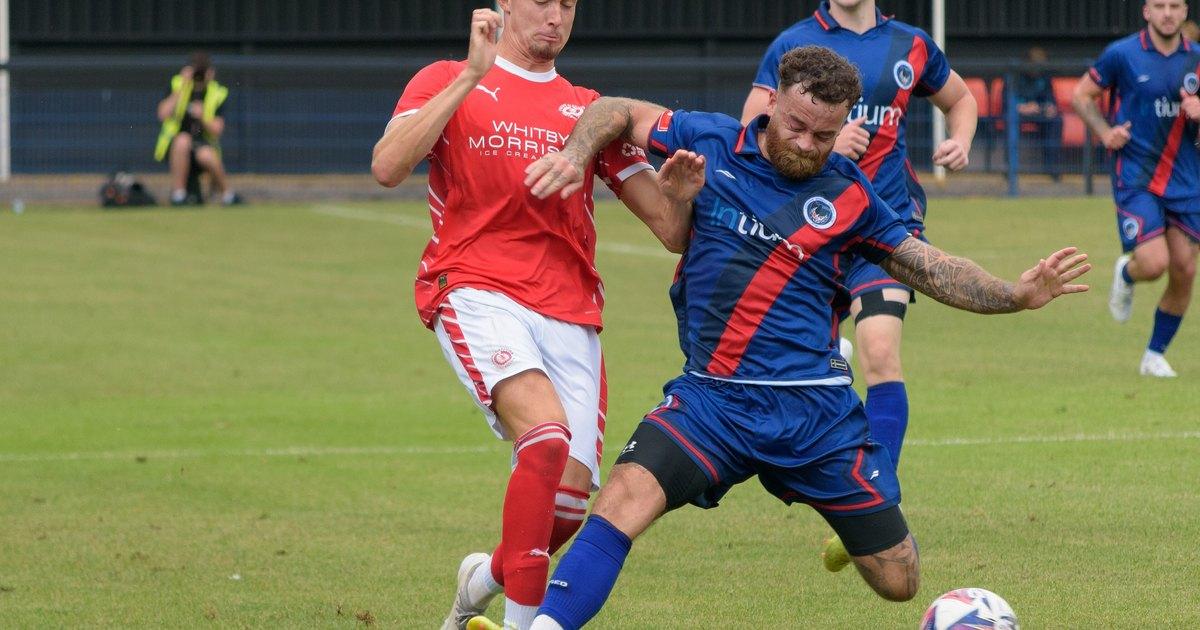
Cover photo: Dominic Nelson, CC BY-SA 4.0, cropped, via Wikimedia Commons. License terms.