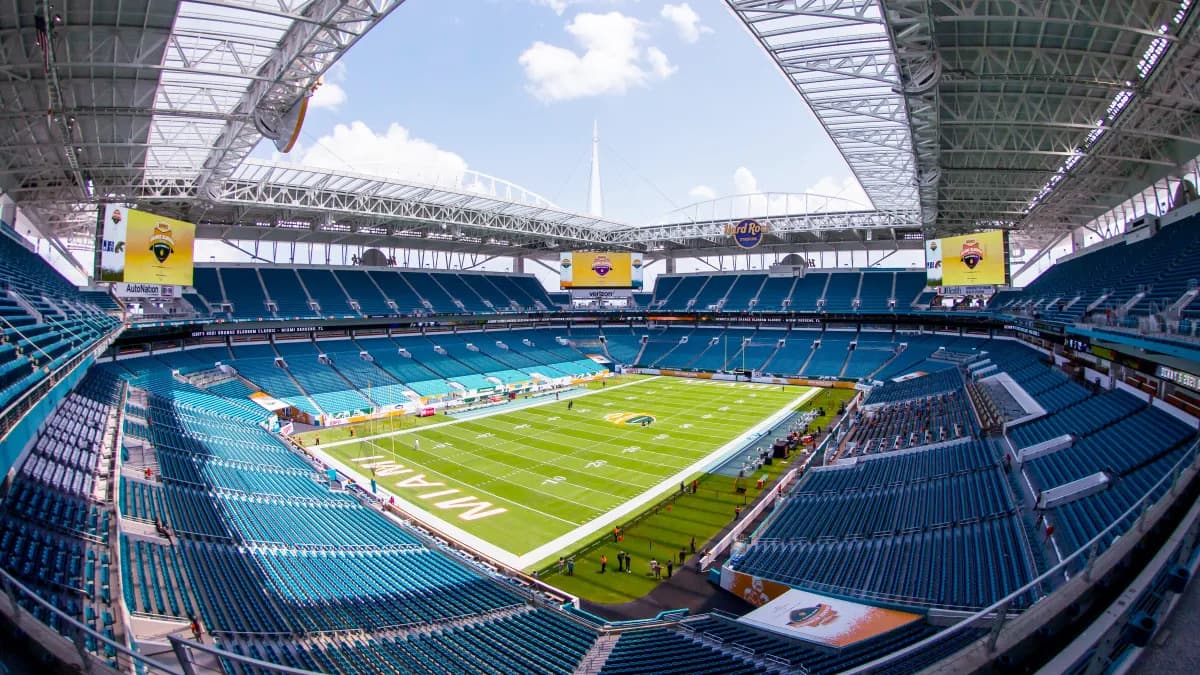
Si estás planeando la inscripción de fútbol juvenil en Florida este otoño, no eres el único, y el momento importa más que de costumbre. Con la Copa Mundial de la FIFA 2026 del 11 de junio al 19 de julio y el Hard Rock Stadium de Miami como sede de 7 partidos, y un cambio importante en las categorías por edad que entra en vigor el 1 de agosto, las familias de todo el sur de Florida se están moviendo antes que nunca. Esta guía cubre todo lo que necesitas: cuándo abre la inscripción en cada condado, dónde inscribirse en Miami-Dade, Broward y Palm Beach, cuánto cuesta y qué documentos tener listos antes de que se cierre el plazo.
Puntos clave
- La inscripción de fútbol juvenil en Florida suele abrir desde finales de la primavera hasta julio, y el Mundial 2026 está adelantando la demanda en este ciclo.
- La transición de categorías del 1 de agosto cambia la categoría en la que quedan algunos jugadores esta temporada, así que confirma la nueva categoría de tu hijo antes de inscribirlo.
- Los costos van desde apenas $34 por temporada en los programas recreativos municipales hasta bastante más de mil dólares al año en el nivel de academia.
- Ten lista una partida de nacimiento certificada con sello estatal (no un pasaporte) antes de empezar cualquier formulario de inscripción.
- Las categorías más populares se llenan rápido. Inscribirte temprano es lo más importante que puedes hacer para asegurar un lugar.
Cuándo abre la inscripción de otoño en el sur de Florida
No hay una única fecha de apertura de inscripciones para todo el condado. Cada programa de Miami-Dade, Broward y Palm Beach fija sus propios plazos, pero el patrón de temporada es constante y predecible.
Las ligas recreativas y los programas municipales suelen abrir la inscripción a finales de la primavera, mantenerla abierta durante julio y cerrarla a finales de julio o principios de agosto. La temporada de juego va de septiembre a noviembre. Los clubes locales suelen empezar los entrenamientos de otoño en julio o agosto, lo que significa que el calendario del programa arranca semanas antes del primer partido oficial. Los programas municipales de parques y recreación siguen un ritmo parecido, pero por lo general dan prioridad a los residentes y abren sus plazos unas tres o cuatro semanas antes de la fecha de inicio de la temporada.
Este año, no lo dejes para después. Según el informe 2026 Soccer Spotlight de SFIA, los Mundiales en los que el país es anfitrión adelantan de forma constante la demanda de inscripciones juveniles. Las familias que asistieron a partidos del Mundial o los vieron en vivo están motivadas para inscribir pronto a sus hijos, y los programas de las categorías más pequeñas (U6, U8, U10) tienden a llenarse durante la primera semana en que abre el plazo. Si no alcanzas el plazo principal, podrías quedar en lista de espera hasta la temporada de primavera.
Para encontrar las fechas exactas de apertura y cierre de un programa concreto, ve directamente a GotSport, la plataforma que usa FYSA (Florida Youth Soccer Association) para la inscripción de jugadores y entrenadores, o al sitio web de tu club local. No existe un calendario central del sur de Florida que reúna en un solo lugar todos los programas de los tres condados.
¿Y si la inscripción ya abrió?
Si estás leyendo esto después de que abrió el plazo de primavera, muchos clubes aceptan inscripciones continuas durante julio y algunos hasta principios de agosto, mientras terminan de definir las plantillas. Comunícate directamente con el club o el municipio y pregunta si todavía hay lugares en la categoría de tu hijo. No des por hecho que un formulario web cerrado significa que el programa está lleno.
Cómo cambia la categoría de tu hijo el 1 de agosto
Este es el cambio administrativo más importante de la temporada 2026-27, y muchas familias todavía se están poniendo al día sobre lo que significa específicamente para la inscripción de otoño.
A partir del año de temporada 2026-27, US Youth Soccer (USYS), US Club Soccer y AYSO pasaron a un ciclo de categorías que va del 1 de agosto al 31 de julio. Es un calendario alineado con el año escolar, y cambia la categoría en la que se inscriben algunos niños en comparación con años anteriores.
Estas son las cuentas, sin rodeos. Los jugadores nacidos entre el 1 de agosto y el 31 de diciembre por lo general pasarán a una categoría más joven con el nuevo sistema. Los jugadores nacidos entre el 1 de enero y el 31 de julio por lo general subirán de categoría. Si tu hijo estaba en el extremo de mayor edad de su categoría anterior, puede que ahora se inscriba en una categoría completamente distinta. Equivocarse en el formulario puede hacer que se rechace la plantilla o que se retrase la autorización del jugador para participar.
Antes de llenar cualquier formulario de inscripción, confirma la categoría correcta de tu hijo para 2026-27. La calculadora de categorías de fútbol para 2026-27 te da una respuesta bilingüe paso a paso en menos de un minuto. También puedes revisar el desglose completo en la lista de verificación de la transición de categorías del 1 de agosto de 2026, que explica exactamente qué meses de nacimiento suben, cuáles bajan y qué hacer si tu hijo queda en el límite.
Dónde inscribirse: Miami-Dade, Broward y Palm Beach
La inscripción de fútbol juvenil en la región de los tres condados de Florida funciona en tres vías: recreativo municipal, club afiliado a FYSA y academia. Saber qué vía le conviene a tu familia antes de empezar a buscar te ahorra bastante tiempo.
Miami-Dade
Miami-Dade tiene la mayor variedad de programas del sur de Florida. Las opciones de entrada incluyen las ligas de fútbol juvenil de Miami-Dade Parks, la Miami-Dade Soccer League (juego recreativo desde U6) y programas municipales como el fútbol de City of Miami Beach Parks and Recreation, Coral Gables Young Soccer Stars y Doral Soccer Club. Los clubes comunitarios afiliados a FYSA ofrecen fútbol competitivo de viaje para jugadores listos para ir más allá del nivel recreativo.
Los programas recreativos inscriben a través de los sitios web municipales o en persona en la oficina de parques y recreación. Los clubes afiliados a FYSA inscriben a través de GotSport. Cada club fija sus propias cuotas, que varían mucho según la categoría y el nivel competitivo.
Broward y Palm Beach
Ambos condados siguen el mismo modelo de dos vías: ligas municipales de parques y recreación para el nivel inicial, y clubes afiliados a FYSA para los programas competitivos. Consulta la página de parques y recreación de tu municipio para informarte sobre las ligas locales, y usa GotSport para cualquier inscripción en un club de FYSA.
Para ver un desglose detallado de los programas organizados por ciudad, nivel y categoría, la guía de fútbol juvenil del sur de Florida para Miami-Dade, Broward y Palm Beach es el recurso más actualizado que mantenemos. Para ver los clubes uno por uno específicamente en Miami, el directorio completo de clubes de fútbol juvenil de Miami 2026 incluye más de 40 programas con información de contacto y enlaces de inscripción.
Una nota sobre la inscripción bilingüe
Una parte importante de las familias que completan la inscripción de fútbol juvenil en el condado de Miami-Dade, Florida, se comunica principalmente en español. Si el club que estás considerando ofrece un formulario de inscripción solo en inglés, vale la pena preguntar al respecto antes de empezar. Algunos clubes afiliados a FYSA en el sur de Florida ya ofrecen inscripción bilingüe, y el proceso es más fácil para las familias cuando se elimina la barrera del idioma desde el primer paso.
Cuánto cuesta este otoño
Los costos del fútbol juvenil varían mucho según el nivel de juego. Este es un panorama realista de lo que las familias pueden esperar pagar, basado en datos públicos y publicados a nivel nacional.
Los programas recreativos municipales son la opción de entrada más accesible. La ciudad de Miami Beach cobra a los residentes aproximadamente $34 por temporada de fútbol juvenil, según publica miamibeachfl.gov. Las cuotas para no residentes son más altas. Otros municipios de Miami-Dade, Broward y Palm Beach publican sus propias tablas de cuotas, y esas cifras varían y pueden cambiar de un año a otro. Confirma siempre la tarifa vigente directamente con el programa antes de hacer tu presupuesto.
Al pasar del nivel recreativo a los programas de club y academia, los costos suben de forma considerable. El informe State of Play 2025 del Project Play del Aspen Institute encontró que la familia estadounidense promedio gastó $1,016 en el deporte principal de un hijo en 2024, un 46% más que en 2019. En el caso específico del fútbol, Project Play informa que el gasto creció un 69% en esos cinco años, el aumento más pronunciado de todos los deportes que analizó. En el nivel de academia, los costos de viaje, las cuotas de torneos y el equipamiento elevan aún más los totales.
En resumen: el recreativo municipal es accesible económicamente, el fútbol de club de viaje es una inversión importante para el hogar y el fútbol de academia es un compromiso económico serio a largo plazo. Ten claro qué nivel estás evaluando antes de empezar a comparar programas.
Documentos que debes tener listos antes de inscribirte
Reunir los documentos correctos antes de que abra el plazo de inscripción es la forma más rápida de no perder tu lugar mientras buscas papeles.
FYSA exige una partida de nacimiento certificada con sello estatal como principal documento de prueba de edad. Muchos afiliados de FYSA no aceptan pasaportes. Si la partida de nacimiento de tu hijo está en un idioma que no es el inglés, necesitarás una traducción certificada al inglés. Una traducción hecha por un familiar no cumple el requisito.
Los jugadores competitivos (inscripciones de club y academia) también necesitan una foto reciente tipo retrato: una foto clara de la cara sobre un fondo liso. Las composiciones de fotos escolares no sirven para esto.
Esta es la lista completa:
- Partida de nacimiento certificada con sello estatal (traducción certificada al inglés si el original está en otro idioma)
- Foto tipo retrato (solo para inscripciones competitivas)
- Nombre legal e información de contacto del tutor
- Nombre y número de teléfono del contacto de emergencia
- Cualquier información médica que pida el programa (alergias, condiciones de salud, medicamentos)
Los requisitos oficiales de FYSA están publicados en fysa.com/player-coach-registration y dentro del propio proceso de inscripción de GotSport. Si tienes dudas, llama al club antes de empezar y pregunta exactamente qué necesitan.
Para directores de club: abre la inscripción antes de que llegue la ola
Si diriges un club en el sur de Florida, el otoño de 2026 no es la temporada para seguir recogiendo formularios de papel o persiguiendo a las familias por pagos de Zelle. Nuestra guía sobre cómo configurar la inscripción en línea cubre cada campo y la configuración pensada primero para el celular que convierte.
El adelanto de la demanda por el Mundial es real. Los datos de SFIA muestran que los torneos en el país anfitrión generan un aumento medible de las consultas sobre inscripción juvenil que empieza incluso antes de que termine el torneo. Los clubes que tienen la inscripción en línea activa y fácil de encontrar están captando a las familias que están listas para comprometerse ahora. Los clubes que no están listos pierden esas familias frente al siguiente programa que aparece en un resultado de búsqueda.
La transición de categorías del 1 de agosto añade otra capa de urgencia. Los padres están confundidos sobre en qué categoría queda su hijo este otoño, y están escribiendo a los clubes con preguntas antes de decidir dónde inscribirlo. Si tu página de inscripción responde claramente esa pregunta y tu proceso de inscripción es bilingüe, conviertes más de esas consultas en plantillas confirmadas.
Centro te da inscripción en línea bilingüe sin necesidad de una llamada de ventas, gestiona los pagos en línea (2% de cuota de Centro más el procesamiento de Stripe; sin cuota de Centro en efectivo, Zelle o cheque que registres) y mantiene tu plantilla organizada desde el momento en que una familia envía su formulario. Tus familias tienen una experiencia de inscripción clara y bilingüe. Tú tienes una plantilla confirmada sin idas y vueltas.
Mira cómo funciona la inscripción en Centro y ten tu inscripción de otoño activa antes de que llegue el pico de la ola del Mundial.