Las pruebas terminaron. Las selecciones están hechas. Ahora viene la parte que la mayoría de los entrenadores temen más que las propias pruebas: contarles a las familias qué pasó. La forma en que comunicas los resultados de las pruebas determina si una familia se va respetando a tu club o publica sobre ti en un grupo local de Facebook. La decisión ya está tomada. Lo que controlas ahora es cómo la comunicas. Las ofertas de plaza y sus fechas límite de aceptación se pueden enviar y controlar desde el mismo registro de inscripción.
Puntos clave
- Comunica los resultados de las pruebas en privado y de forma individual, nunca con una lista pública ni en un chat de grupo.
- Empieza cada mensaje, sobre todo los difíciles, con el resultado antes de los comentarios.
- Dale a cada familia que no entró en la plantilla un siguiente paso concreto.
- Mantén informadas a las familias en lista de espera con actualizaciones honestas y con fecha límite.
- Envía el mensaje en el idioma de la familia, no solo en el que te resulta más fácil a ti.
La rapidez y la privacidad ganan
Los resultados lentos son crueles. Cuando las familias esperan tres días después de las pruebas para saber algo, la ansiedad llena el silencio. Se corren rumores. Los padres se escriben entre sí. Para cuando envías la noticia oficial, la temperatura emocional ya está alta.
Según TeamGenius, citado por winningyouthcoaching.com, los resultados deben comunicarse en privado y de forma individual, por teléfono o en persona cuando sea posible, nunca publicando una lista de la plantilla ni leyendo nombres en voz alta delante de los compañeros. En el momento en que anuncias los resultados en grupo, le has entregado a un público la noticia más dura de la semana de un niño.
Enviar los resultados solo por correo electrónico no es mucho mejor para las familias que reciben un "no". Un correo de rechazo que se queda en la carpeta de promociones hasta el miércoles por la noche, días después de que los compañeros del jugador ya publicaron fotos celebrando, es algo evitable. Actúa rápido. Actúa en privado.
Fija un plazo claro para los resultados antes de que empiecen las pruebas. Diles a las familias en la inscripción: "Tendrán noticias nuestras dentro de las 48 horas posteriores a la última sesión". Y cúmplelo. Ese único compromiso, hecho por adelantado, reduce la cantidad de mensajes ansiosos de seguimiento que recibe tu personal después del pitazo final.
Para muchos directores de club, el mayor dolor de cabeza de la temporada de pruebas no son las evaluaciones. Son los dos días de silencio después de que terminan las sesiones mientras el personal debate las plantillas. Las familias llenan ese silencio con suposiciones. Los clubes que manejan bien esto envían esa misma noche un breve mensaje de espera: los resultados se están terminando de definir y cada familia tendrá noticias antes de una fecha concreta. Ese único mensaje evita la mayor parte de los conflictos.
El mensaje de "Quedó seleccionado"
Este parece fácil, pero igual merece cuidado. Las familias que reciben un mensaje de aceptación sin información de seguimiento van a llenar tu bandeja de entrada de preguntas de inmediato. Dales todo lo que necesitan en un solo lugar.
Un buen mensaje de aceptación incluye:
- En qué equipo quedó el jugador (categoría, nivel de competición o nivel recreativo).
- Siguientes pasos: fecha del primer entrenamiento, plazo para pedir el uniforme, enlace de inscripción, fecha límite del depósito.
- A quién contactar si tienen preguntas.
Tono cálido, acciones claras, fechas concretas. Un padre debería leer tu mensaje y saber exactamente qué hacer después sin tener que responder.
Si tu club tiene varios equipos en la misma categoría, sé preciso. "Tu hijo fue seleccionado para nuestro programa U12" deja a la familia adivinando si eso significa el equipo A o el equipo B. Dilo claramente. Los mensajes de aceptación vagos generan casi tantas llamadas de seguimiento como los rechazos.
Si diriges un club bilingüe o atiendes a una comunidad donde se hablan varios idiomas en casa, envía la aceptación en ambos idiomas. Una familia que habla español en casa no debería tener que traducir la buena noticia de su hijo.
El mensaje de "No quedó seleccionado"
Este es el mensaje más difícil de la comunicación en el fútbol juvenil. Si lo haces mal, causas un daño duradero en la relación de la familia con tu club, y con el deporte mismo.
TeamGenius y la guía de la Ontario Minor Hockey Association sobre cómo decirles a los jugadores que no entraron al equipo confirman el mismo principio: empieza con el resultado. Un jugador y sus padres no van a asimilar ningún comentario hasta que conozcan la decisión. No suavices el comienzo con tres frases de elogio para luego enterrar la noticia en el cuarto párrafo. Dilo claramente al principio.
Un esquema que funciona:
"Hola, [apellido de la familia], gracias por participar en nuestras pruebas. Después de una evaluación cuidadosa, [nombre del jugador] no fue seleccionado para la plantilla de [nombre del equipo] esta temporada. Agradecemos el esfuerzo que mostró en la cancha".
A partir de ahí, un mensaje constructivo hace tres cosas:
- Habla del jugador como individuo. Menciona algo específico de la evaluación del jugador. Nunca lo compares con otro jugador que sí entró al equipo.
- Lo presenta como una decisión de encaje. Las plantillas tienen límites. Que un jugador no entre a este equipo no es un veredicto sobre su capacidad ni sobre su futuro en el deporte.
- Ofrece un camino a seguir. Liga recreativa, programa de desarrollo, campamento fuera de temporada, el siguiente ciclo de pruebas. Dale a la familia una puerta por la que pasar, no solo un muro.
Mantén el mensaje cálido pero honesto. Evita frases vacías como "casi lo lograste" cuando el jugador no estuvo cerca. Las familias notan cuando los comentarios son genéricos, y los comentarios genéricos en un rechazo duelen más que el silencio.
Considera ofrecer una llamada breve y opcional de seguimiento a las familias que quieran más detalles. No todas las familias la necesitan, pero ofrecerla demuestra que tu club se toma en serio el desarrollo. Un entrenador voluntario de un club del condado de Broward contó que hacía llamadas de cinco minutos con cualquier familia que lo pidiera después de los cortes. Al principio las llamadas eran incómodas. En dos temporadas, esas llamadas se convirtieron en la razón por la que varias familias se quedaron en el programa cuando su hijo pasó a la división recreativa.
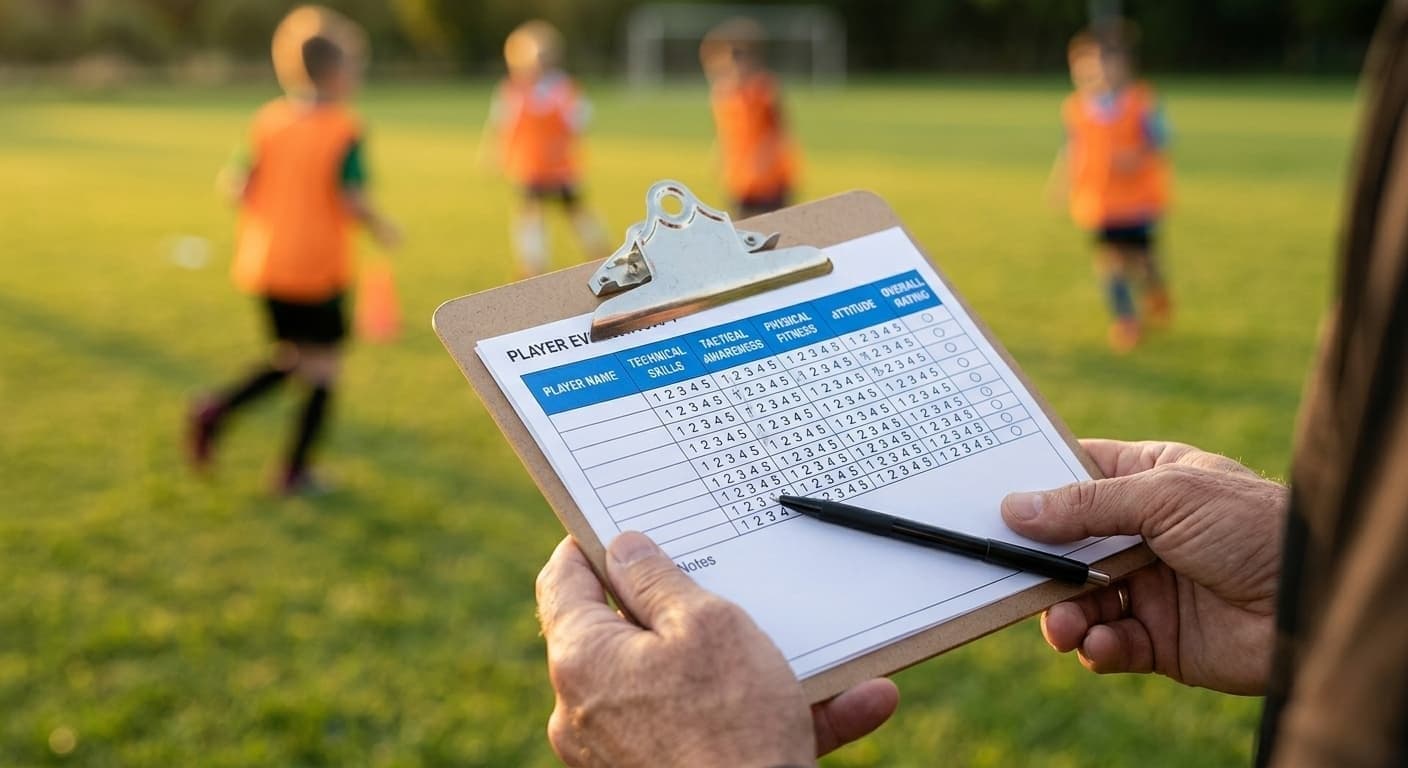
Un buen formulario de evaluación de pruebas completado durante la sesión te da el detalle individual que necesitas para escribir bien este mensaje. Si tus evaluadores calificaron a los jugadores en varios atributos durante las pruebas, tienes material real para mencionar en lugar de escribir algo vago.
Cómo manejar la lista de espera
Las listas de espera existen porque las plantillas cambian. Un jugador comprometido con el equipo A decide no jugar en competición. Una familia se muda fuera del distrito. La lista de espera se vuelve real.
El problema es que la mayoría de los clubes tratan la lista de espera como una sala de espera y luego se olvidan de comunicarse con esas familias. Esas familias están tomando decisiones sobre la temporada de otoño de su hijo ahora mismo. Necesitan información.
Una comunicación honesta y con fecha límite para la lista de espera suena así:
"Tu hijo está actualmente en nuestra lista de espera para [nombre del equipo]. Esperamos tener la plantilla definida para el [fecha concreta]. Si se abre un lugar antes, te contactaremos directamente. Si no nos comunicamos contigo para el [fecha concreta], por favor asume que la plantilla está completa en este ciclo".
Ese mensaje respeta el tiempo de la familia. Le da una fecha límite para que pueda hacer un plan alternativo. No hace promesas falsas sobre lugares que quizá nunca se abran.
Comunícate con las familias en lista de espera al menos una vez antes de la fecha límite que indicaste, aunque la respuesta siga siendo "sin cambios". El silencio se interpreta como desorganización. Una actualización de una línea, "Todavía estamos terminando de definir la plantilla y te escribiremos antes del viernes", mantiene la confianza sin comprometerte con un resultado que no puedes garantizar.
Reembolsos y retiros
Algunas familias recibirán un mensaje de "quedó seleccionado" y luego se retirarán. Son cosas que pasan. Un jugador se lesiona. Otro club le ofrece un lugar. La familia decide que el fútbol de competición no es lo adecuado este año.
Tu club necesita una política escrita de retiros y reembolsos, y tiene que compartirse antes de que empiecen las pruebas, no después de anunciar las selecciones. No existe ningún organismo rector nacional que fije un plazo estándar de reembolso para los clubes privados de fútbol juvenil. Esta es tu política y es tu responsabilidad.
Una política clara incluye:
- La fecha límite hasta la cual una familia puede retirarse y recibir un reembolso total o parcial.
- Qué cuotas no son reembolsables una vez confirmada la inscripción (cargos de procesamiento, depósitos de uniforme).
- Cómo presenta la familia un retiro: una solicitud por escrito a una dirección de correo electrónico específica, no un mensaje de texto al teléfono personal del entrenador.
Déjalo claro en tu comunicación previa a las pruebas. Cuando una familia pida un reembolso, no estarás tomando una decisión bajo presión. Estarás siguiendo la política que la familia aceptó cuando se inscribió.
Documentar los retiros por escrito también protege a tu club si surge una disputa más adelante. Que un entrenador reciba un mensaje de WhatsApp que diga "nos salimos" no es un retiro documentado. Una confirmación por escrito a una dirección de correo del club sí lo es.
Si buscas plantillas de comunicación con los padres que cubran las expectativas y políticas previas a las pruebas, nuestras plantillas de comunicación con los padres para fútbol juvenil son un excelente punto de partida.
Envíalo en el idioma de la familia
Según la American Community Survey de 2024, 44.9 millones de personas en Estados Unidos hablan español en casa. En el sur de Florida, esa cifra no es una estadística. Es tu plantilla.
Comunicar los resultados de las pruebas solo en inglés a una familia hispanohablante crea un riesgo real de malentendidos en un mensaje que ya de por sí es emotivo. Una investigación publicada en JAMA Internal Medicine (Khoong et al., 2019) encontró que, aunque Google Translate logra alrededor de un 92% de precisión en comunicaciones médicas en español, una parte significativa de esas traducciones puede causar daño cuando hay mucho en juego. Los resultados de las pruebas no son médicos, pero el peso emocional es comparable.
La traducción automática de un mensaje de rechazo puede quitarle la calidez y los matices que hacen que se reciba con respeto. "You were not selected" y su traducción literal al español tienen las mismas palabras, pero pueden sentirse muy diferentes según la redacción, el registro y el tono. Aquí importa una comunicación bilingüe real, escrita o revisada por un hablante fluido.
Aquí es donde el módulo de comunicación de Centro se gana su lugar. Centro guarda en un solo lugar las inscripciones a las pruebas, las calificaciones y las notas de los evaluadores, y puedes enviar un correo a cada familia de las pruebas desde Centro en inglés o en español. Sin copiar y pegar en hilos de WhatsApp separados.
Si estás armando desde cero tu proceso general de pruebas, nuestra guía sobre cómo organizar pruebas de fútbol juvenil cubre todo el recorrido, desde la planificación hasta los resultados. Y para los entrenadores que quieren estructura durante las evaluaciones, las herramientas para entrenadores de Centro ofrecen la base para hacer seguimiento del rendimiento de los jugadores durante toda la sesión.
Comunicar bien los resultados de las pruebas es una de las cosas más importantes que tu club puede hacer para retener a las familias a largo plazo. Las familias que se sienten respetadas después de un "no" vuelven la siguiente temporada. Recomiendan el club a sus amigos. Confían en tu proceso. Mira lo que ven las familias en Centro.